- Quick Travel Guide Dubai for 2026
- Different Dubai Travel Styles: Budget to Luxury Options
- Public Transport vs Car Rental in Dubai: Which Is Better for Tourists?
- Best Time to Visit Dubai: Weather, Seasons, and Travel Tips
- How Much Does a Trip to Dubai Cost in 2026?
- Top Tourist Attractions in Dubai You Shouldn’t Miss
- Best Areas to Stay in Dubai for Tourists
- Dubai Cultural Rules and Travel Etiquette for Visitors
- Final Travel Tips for Visiting Dubai in 2025–2026
- Travel Guide Dubai FAQ
| Planning Factor | Recommendation | Why It Matters |
| Best Time to Visit | November to March | Mild weather and major events |
| Ideal Trip Length | 4–7 days | Covers highlights and desert experiences |
| Average Daily Budget (Mid-Range) | $150–$250 | Balanced comfort and flexibility |
| Best Way to Get Around | Car rental | Saves time and improves comfort |
Quick Travel Guide Dubai for 2026
Answers to help you plan your itinerary, budget, and transportation before booking your trip.
The ideal months are November to March when the weather is mild and major events like the Dubai Shopping Festival take place.
A trip of 4–7 days is recommended to cover the main attractions, enjoy desert experiences, and explore both modern and historic districts.
Daily costs depend on your travel style: $70–$100 for budget travelers, $150–$250 for mid-range, and $400+ for luxury travelers.
For most travelers, car rental offers flexibility and saves time, but the Metro and buses are great options for budget-conscious or solo travelers.
Different Dubai Travel Styles: Budget to Luxury Options
Before booking flights or hotels, it’s important to define your travel style. Dubai offers very different experiences depending on budget and expectations. This travel guide Dubai section helps you pick the right one.

Budget Travel in Dubai: Cultural and Low-Cost Options
| Feature | Details |
| Best Areas to Stay | Deira, Bur Dubai, Al Rigga, Karama |
| Accommodation Type | Dubai Metro, public buses, walking, and abras (AED 1) |
| Daily Budget Range | $70–$100 |
| Transportation | Self-guided walking tours, free museums, and abra crossings |
| Top Places to Visit | Al Fahidi Historical District, Dubai Creek, Gold & Spice Souks, Al Seef |
| Food Options | Local cafeterias, street food, Indian & Middle Eastern eateries ($2–$6 per meal) |
| Recommended Activities | Self-guided walking tours, free museums, abra crossings |
| Good to Know | Best explored in winter; Metro hours vary on weekends |
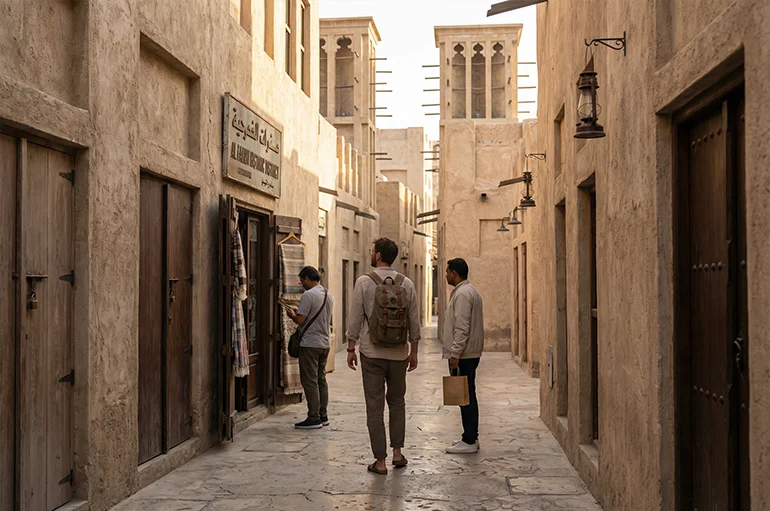
These travellers focus on Old Dubai areas such as Deira and Bur Dubai, use the Metro, and eat local street food. Daily costs usually range between $70 and $100, making this style suitable for solo travellers and backpackers.
Mid-Range Travel in Dubai: Comfort Without Overspending
| Feature | Details |
| Best Areas to Stay | Al Barsha, Business Bay, outskirts of Downtown Dubai |
| Accommodation Type | 3–4 star hotels, serviced apartments |
| Daily Budget Range | $150–$250 |
| Transportation | Car rental (recommended), Metro, occasional taxis |
| Top Places to Visit | Burj Khalifa (non-prime hours), Dubai Marina, JBR, Miracle Garden |
| Food Options | Casual restaurants, hotel dining, international cuisine ($10–$25 per meal) |
| Recommended Activities | Desert safari (shared), shopping malls, guided city tours |
| Good to Know | Online booking saves money; parking is usually free at malls |
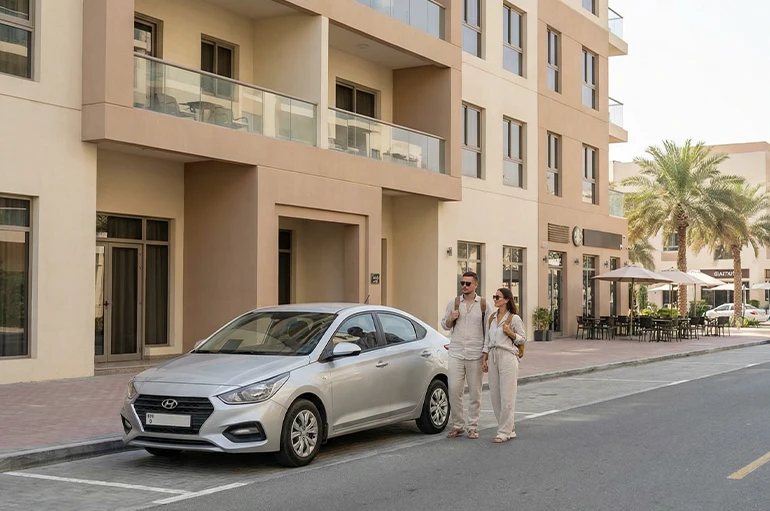
This group balances sightseeing with comfort. Popular areas include Al Barsha and Business Bay. Travellers often rent a car, stay in 3–4 star hotels, and spend around $150–$250 per day.
Luxury Travel in Dubai: Premium Hotels and Experiences
| Feature | Details |
| Best Areas to Stay | Downtown Dubai, Palm Jumeirah, Jumeirah Beach |
| Accommodation Type | 5-star hotels, luxury resorts, private villas |
| Daily Budget Range | $400+ |
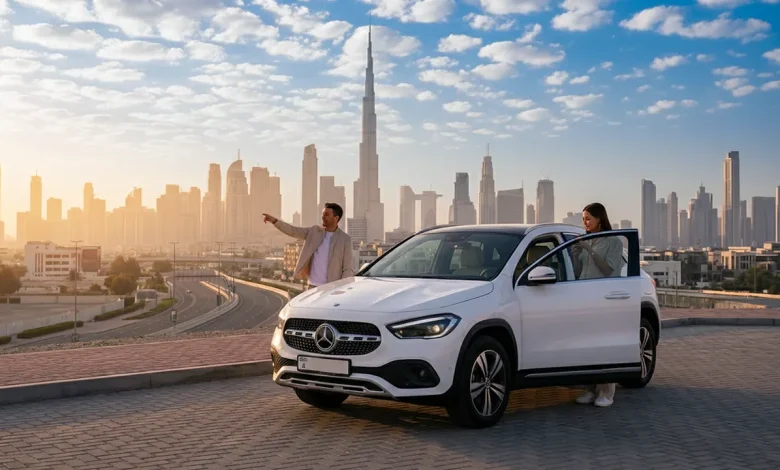
| Transportation | Luxury car rental in Dubai, chauffeur service, private transfers |
| Top Places to Visit | Burj Khalifa Sky Lounge, Atlantis Aquaventure (VIP), private desert safari |
| Food Options | Fine dining, Michelin-listed and celebrity chef restaurants |
| Recommended Activities | Yacht cruises, helicopter tours, spa & wellness experiences |
| Good to Know | Advance reservations required; peak season prices are higher |
Luxury travellers choose five-star hotels in Downtown Dubai or Palm Jumeirah, private transport, fine dining, and exclusive experiences. Daily spending often exceeds $400.
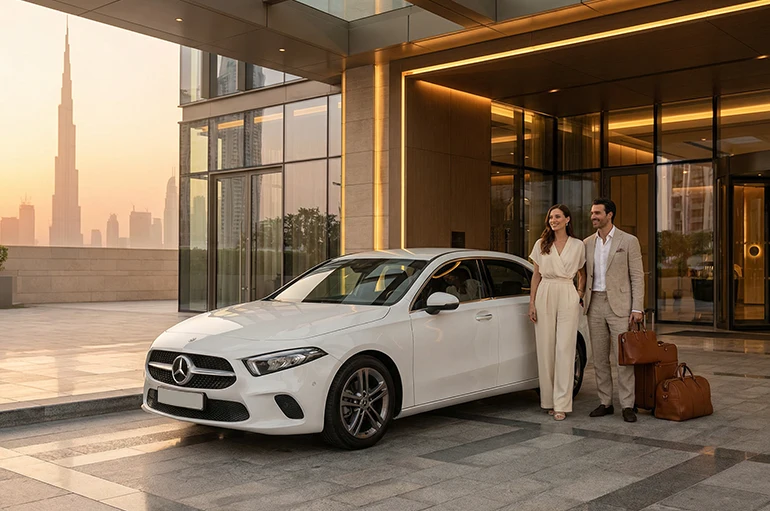
This travel guide Dubai section ensures travellers choose accommodations and experiences that match their style.
Public Transport vs Car Rental in Dubai: Which Is Better for Tourists?
In the table below, you’ll see a clear side-by-side comparison of Car Rental, Taxis & Ride-Hailing, Dubai Metro, and Public Buses. This travel guide’s Dubai section helps you pick the transport option that suits your itinerary.
| Feature | Car Rental | Taxis & Ride‑Hailing | Dubai Metro | Public Buses |
| Best For | Families & multi‑stop trips | Short trips or airport transfers | Budget travellers with time | Rates vary by car class; fuel & tolls extras |
| Typical Cost (One‑Day) | From AED 70+ / day (economy) | AED 12 + AED 2/km (~AED 25–70 per trip) | AED 3–8.50 / ride | AED 3–8 / ride |
| Typical Cost Notes | Rates vary by car class; fuel & tolls extraz | Airport surcharge ~AED 25 | Fares zone‑based | Same Nol card system |
| Coverage | Entire city + desert + beaches | Entire city, 24/7 availability | Metro lines (major corridors) | Extensive but slower |
| Comfort Level | High (private AC) | High (AC; door‑to‑door) | Medium (AC; fixed routes) | Medium (AC; many stops) |
| Ease of Use | Easy with GPS | Very easy (app & street hail) | Easy with Nol card | Moderate (schedule knowledge) |
| Travel Time | Fast & flexible | Fast but traffic‑dependent | Fast on main lines | Slower; many stops |
| Family/Luggage Friendly | Excellent | Good | Limited peak time | Limited |
| Access to Attractions | Excellent | Good everywhere | Good near stations | Good but slower |
| Parking Needed | Yes (free at many malls/hotels) | No | No | No |
So, as you can see, each transport option in Dubai has its advantages:
- Dubai Metro and Bus System: The Metro uses Nol cards and is affordable and reliable. It’s best for simple routes between major landmarks, but limited for beaches and older neighbourhoods.
- Dubai Taxis, Uber, and Careem: RTA taxis and apps like Careem and Uber are widely available. They’re convenient but can become expensive with frequent use.
- Traditional Abras and Water Transport in Dubai: Traditional abras cross Dubai Creek for just AED 1 and are perfect for exploring Deira and Bur Dubai.
- Car Rental in Dubai: Car rental offers the highest flexibility, strong air conditioning, and direct access to remote attractions. Parking is generally free at malls and hotels.
Best Time to Visit Dubai: Weather, Seasons, and Travel Tips
Dubai has a hot desert climate, with very high summer temperatures. One of the interesting facts about Dubai is that it makes understanding seasonal differences essential when planning outdoor activities.
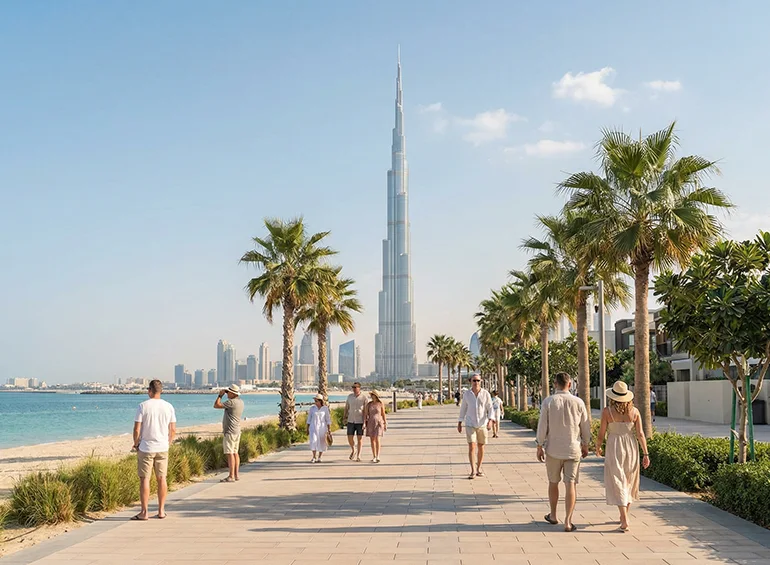
1- Dubai Peak Season (November to March)
This is the best time to visit Dubai. Daytime temperatures average 20–25°C, with cooler evenings.
Why visit during peak season:
- Ideal weather for beaches, desert safaris, and walking tours
- Major events such as the Dubai Shopping Festival and the Dubai Marathon
Things to consider:
- Higher hotel prices
- Larger crowds at popular attractions
2- The Shoulder Seasons: April, May, and October
Transition months offer a middle ground between the pleasant winter and the scorching summer.
- October: Marking the return of the outdoor season, October sees daytime temperatures ranging between 30°C and 34°C.
- April and May: These months see a gradual rise in temperature, often reaching 35°C to 38°C. While mornings remain ideal for outdoor activities like the beach, afternoons are generally best spent indoors.
3- Dubai Summer Travel (Low Season)
Summer temperatures often exceed 40°C with high humidity.
Advantages:
- Significant hotel discounts (up to 50%)
- Fewer tourists
Limitations:
- Outdoor activities are limited
- Travel focuses on indoor attractions like malls and museums
Comprehensive Monthly Weather and Event Analysis
| Month | Avg. Temp (°C) | Atmosphere & Events | Tourist Status |
| January | 18–26 | Mild, cool evenings; Dubai Shopping Festival | Peak |
| February | 24–27 | Wettest month (~40mm rain); Dubai Food Festival | Peak |
| March | 26–31 | Hotter days; Comic-Con, Beach season peaks | Peak |
| April | 29–34 | Hotter days, Comic-Con, Beach season peaks | Shoulder |
| May | 32–38 | Strong heat; Indoor activities recommended | Shoulder |
| June | 35–40 | High heat; Dubai Summer Surprises deals begin | Low |
| July | 36–41 | Sweltering; Maximum indoor time required | Low |
| August | 36–41 | Hottest and driest month; Extreme discounts | Low |
| September | 33–38 | Humidity peaks; End of summer heat | Low |
| October | 30–34 | Cooling trend; Outdoor camps reopen | Shoulder |
| November | 27–31 | Ideal weather; Outdoor markets & safaris | Peak |
| December | 24–28 | Festive atmosphere; UAE National Day (Dec 2) | Peak |
How Much Does a Trip to Dubai Cost in 2026?
Dubai is not only a luxury destination. With smart planning, it can fit many budgets.
| Category | Mid-Range Traveller ($) | Luxury Traveller ($) | Luxury Traveler ($) |
| Accommodation | 30–80 | 100–250 | 300–1,000+ |
| Meals | 15–25 | 30–60 | 100–250+ |
| Transport | 5–10 | 15–35 | 80–200+ |
| Attractions | 0–20 | 20–50 | 100–500+ |
| Total Daily | 50–135 | 165–395 | 580–1,950+ |
- Visas: Many nationalities are eligible for Dubai visa-free entry or visas on arrival. Others must apply in advance, usually costing $60–$90.
- Accommodation: Hotels add mandatory taxes of around 20%, including municipality and tourism fees.
- Food: Street food costs as little as $2–$4, while casual restaurant meals range from $8–$15. Fine dining can exceed $200 per person.
- Attractions: Popular attractions like Burj Khalifa and desert safaris make up a significant part of the budget.
Top Tourist Attractions in Dubai You Shouldn’t Miss
The success of a Dubai itinerary depends on the strategic selection and timing of major attractions, making it essential to know the top things to do in Dubai.
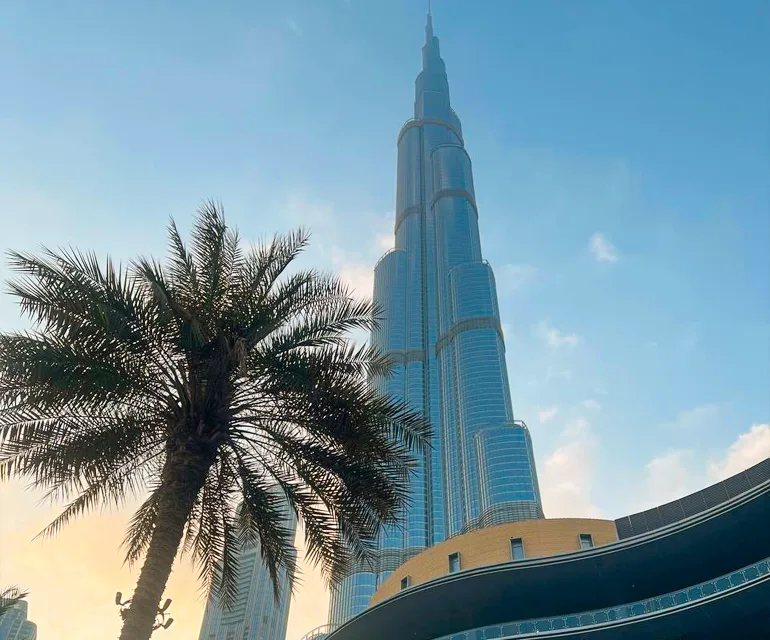
1. The Burj Khalifa
Standing at 828 meters, the Burj Khalifa is a masterpiece of modern engineering.
- What it is: The world’s tallest building, featuring multiple observation decks.
- Who it’s for: Sightseers, photographers, and first-time visitors seeking an overview of the city.
- Pros & Cons: Offers unparalleled views but can be extremely crowded. Prime hours (sunset) are significantly more expensive than non-prime hours.
- Smart Recommendation: Book tickets for “non-prime” hours (early morning or late night) to save approximately 30–50% on ticket costs and enjoy a quieter environment.
2. The Desert Safari
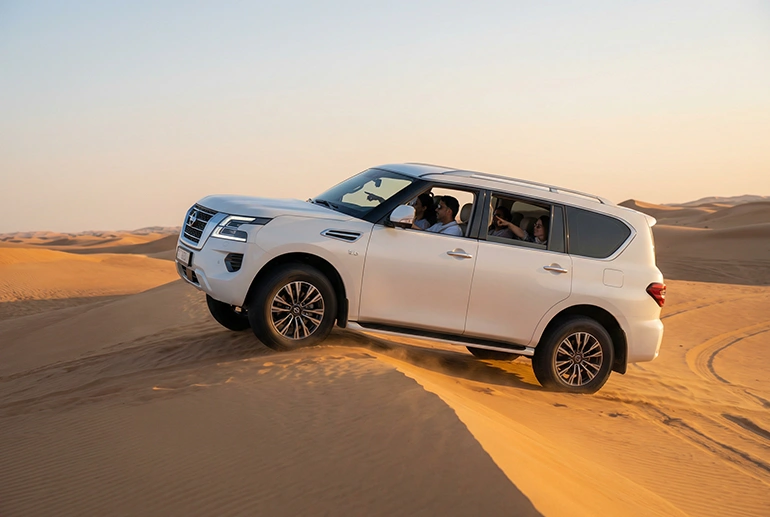
The desert safari remains the most popular experiential activity in the region.
- What it is: A guided tour into the dunes involving dune bashing, camel rides, and traditional dining.
- Who it’s for: Adventure seekers and culture enthusiasts.
- Pros & Cons: Provides a stark contrast to the city’s urban environment. However, quality varies wildly between “shared” and “private” safaris.
- Smart Recommendation: Families should opt for a Private Safari. This allows for a customizable pace (gentler dune bashing for kids) and a more intimate dining experience away from large crowds.
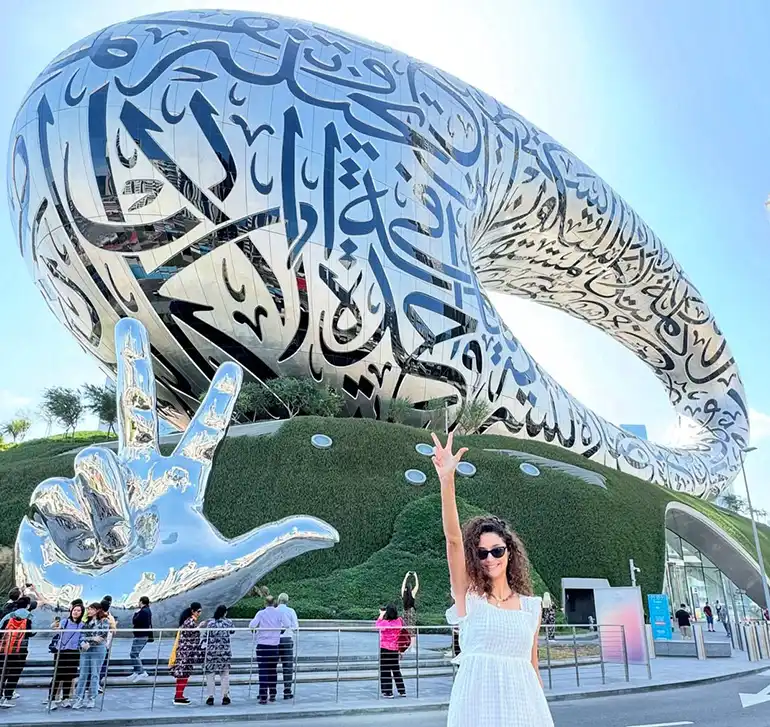
3. Museum of the Future
Opened in 2022, this museum has quickly become a global architectural icon.
- What it is: A multi-sensory journey through the next 50 years of human evolution, space travel, and bioengineering.
- Who it’s for: Families, tech enthusiasts, and design lovers.
- Pros & Cons: The architecture is breathtaking, and the exhibits are highly interactive. However, tickets sell out weeks in advance.
- Smart Recommendation: Book your time slot at least 2–3 weeks before your trip. The “OSS Hope” space station simulator is often cited as the highlight of the experience.
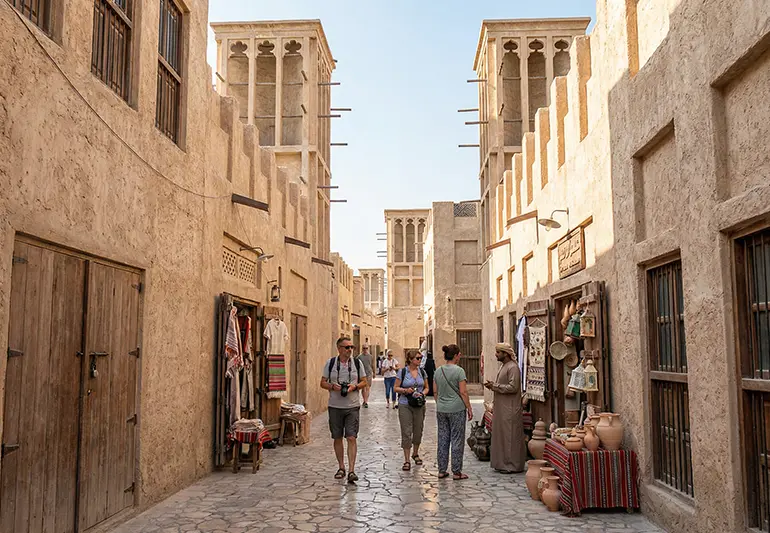
4. Old Dubai (Al Fahidi & Al Seef)
The historical heart of Dubai offers a sensory experience unlike the gleaming towers of the south.
- What it is: Historical districts with wind-tower architecture, sikkas (alleys), and traditional markets.
- Who it’s for: Cultural explorers, photographers, and budget travellers.
- Pros & Cons: Extremely affordable and photogenic. However, the area can be hot to explore on foot during the days you spend exploring Dubai.
- Smart Recommendation: Visit in the late afternoon. Start at Al Fahidi, take an abra across the Creek for AED 1, and explore the Spice and Gold Souks at sunset.
Best Areas to Stay in Dubai for Tourists
This travel guide to Dubai highlights the best neighbourhoods for different types of travellers:
- Downtown Dubai: Best for first-time visitors and luxury shopping. Central but expensive.
- Dubai Marina and JBR: Ideal for beach lovers and nightlife. Far from Old Dubai.
- Al Barsha and Business Bay: A practical choice with good hotels, Metro access, and reasonable prices.
- Deira and Bur Dubai: Perfect for budget travellers and cultural exploration. Less modern but very authentic.
Dubai Cultural Rules and Travel Etiquette for Visitors
Dubai is modern but culturally conservative.
- Dress modestly in malls and public places
- Alcohol is allowed only in licensed venues
- Public intoxication, drinking, and driving are serious offences
- Avoid public displays of affection
- Never photograph people without permission
- Check restricted medications before arrival
Final Travel Tips for Visiting Dubai in 2025–2026
Dubai in 2026 offers an unmatched variety. By choosing the right season, matching your accommodation to your travel style, and securing flexible transportation, this travel guide to Dubai will help you explore the city confidently and comfortably.
Compared to taxis, car rental is often cheaper for travellers making several daily trips. It’s especially helpful for families, shopping days, and desert or Abu Dhabi excursions. Providers like Saadatrent ae are very convenient for foreign tourists because they offer no deposit options.
Travel Guide Dubai FAQ
Dubai offers extreme ranges. A budget traveler can manage on $70–$100 per day by staying in Deira and using the Metro, while a luxury traveler can easily spend $500+ daily.
Yes. Tourists with a valid international driving permit and their original license can rent and drive vehicles. Driving is on the right-hand side.
Yes, Dubai is considered one of the safest cities in the world. Solo female travelers often report feeling exceptionally safe, even late at night, due to high levels of surveillance and strict law enforcement.
While the Metro is efficient for linear travel, a car is highly recommended for exploring the diverse neighborhoods, beaches, and desert areas comfortably, especially for families.
Independent mobility via car rental is the most effective way to see the city. Local providers like Saadatrent offer the best terms for tourists, including no-deposit options and 24/7 support.