- Explore more about Dubai to Muscat driving regulations
- Essential Driving Rules for Traveling from Dubai to Muscat
- International Driving Regulations for UAE Travelers
- Border Crossing Rules Between the UAE and Muscat
- Car Insurance Requirements for Driving in Oman
- Traffic Laws and Penalties in Muscat
- Cross-Border Driving Laws Tourists Should Know
- Tips for a Safe Road Trip from Dubai to Muscat
If you plan to drive from Dubai to Muscat, you must follow specific driving rules Dubai Muscat travelers need to know before crossing the border. These include carrying the correct documents, respecting UAE and Oman speed limits, and understanding key Oman driving regulations that apply once you enter the country.
Explore more about Dubai to Muscat driving regulations
Understanding Muscat driving regulations can help travelers avoid fines and drive safely while exploring Oman. Learning the basic rules makes road trips around Muscat much easier and more enjoyable for visitors.
Yes, you need a valid passport, vehicle registration, insurance covering Oman, and sometimes an international driving permit.
Most rules are similar, but Oman driving regulations may include different speed limits and stricter enforcement in some areas.
Yes, many rental companies allow cross-border travel if the vehicle has proper Oman insurance and permission.
The drive usually takes about 4.5 to 5 hours, depending on the border crossing time and traffic conditions.
Essential Driving Rules for Traveling from Dubai to Muscat
Driving from Dubai to Muscat is one of the most popular road trips in the region. The route takes you from the modern highways of the UAE to the scenic mountain roads and coastal highways of Oman. The journey usually takes around 4.5 to 5 hours, depending on the border crossing and traffic conditions. Before starting this trip, it is important to understand the Oman driving regulations and the general Muscat driving regulations that apply once you cross the border. Many travelers choose to rent a car in Dubai before starting the journey so they can enjoy the flexibility of driving the full route at their own pace.
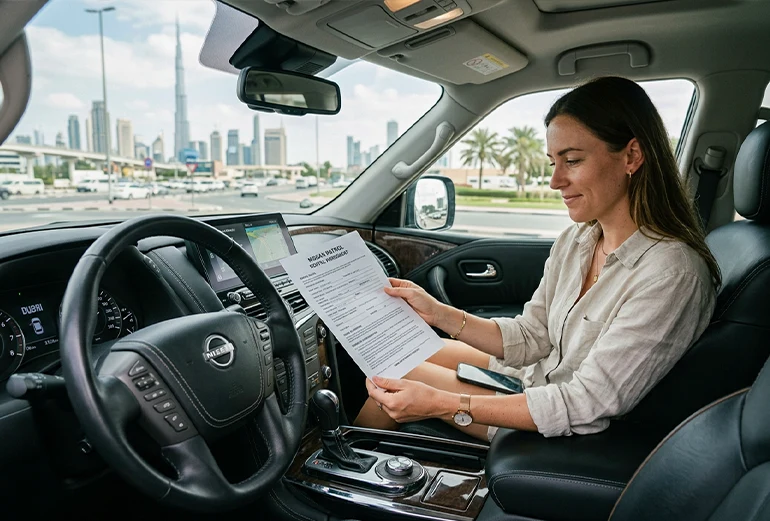
Overview of the Dubai Muscat road trip
The road trip from Dubai to Muscat is about 450 kilometers and usually follows well-maintained highways through the UAE and northern Oman. Many travelers drive through the Hatta – Al Wajajah border crossing, which is one of the most common routes.
Along the way, you will pass through desert landscapes, mountain areas, and smaller towns before reaching Muscat. Because this is an international road trip, drivers should be aware of international driving regulations, border procedures, and documentation requirements before leaving Dubai.
Are you ready to drive from Dubai to Muscat?
Check if your car, documents, and insurance are ready for the UAE–Oman border in less than 30 seconds.
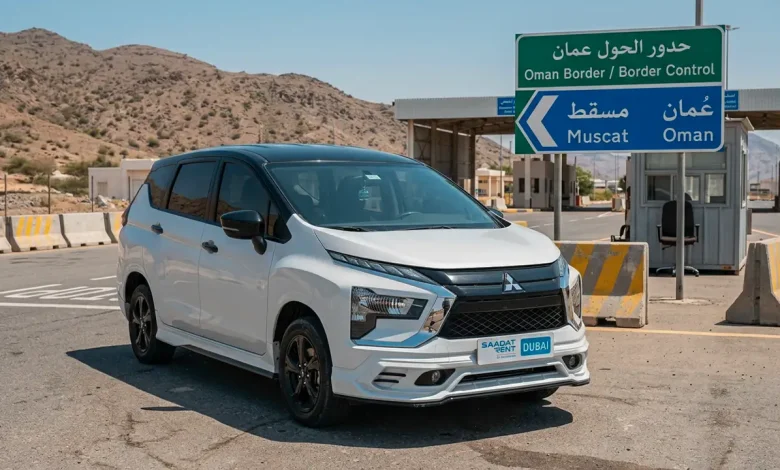
Why understanding regulations before crossing the border is important
Before starting the trip, drivers should understand the cross-border driving laws between the UAE and Oman. These rules cover things like required documents, vehicle permissions, and insurance coverage.
Some important things to check before traveling include:
- Valid passport and entry permission for Oman
- Vehicle registration documents
- Proper insurance coverage that is valid in Oman
- Awareness of border crossing rules and possible fees
Understanding these requirements in advance helps travelers avoid delays at the border and ensures the journey follows all Oman driving regulations, especially for those using SUV Car Rental Dubai for a more comfortable and stable drive on long cross-border routes.
Key differences between the UAE and Oman driving systems
Driving in Oman is generally similar to driving in the UAE, but there are some important differences that drivers should know. These differences are part of the Muscat driving regulations and national traffic laws.
For example:
- Speed limits may vary depending on the road type
- Police and traffic cameras strictly enforce traffic laws and penalties
- Seatbelt use is mandatory for drivers and passengers
- Mobile phone use while driving is prohibited unless using hands-free systems
In addition, drivers must make sure their vehicle meets car insurance requirements that allow travel across the UAE to Oman border. Without proper insurance coverage, crossing into Oman with a vehicle may not be allowed.
By understanding these basic rules before the trip, travelers can enjoy a smooth and safe drive while following the correct Oman driving regulations throughout the journey to Muscat.
International Driving Regulations for UAE Travelers
If you plan to drive from the UAE to Oman, it is important to understand the international driving regulations that apply to cross-border travel. The trip from Dubai to Muscat is straightforward, but drivers must follow certain UAE Muscat driving laws before crossing the border. These rules mainly involve having the correct documents, valid driving licenses, and proper vehicle permissions that meet Oman driving regulations.
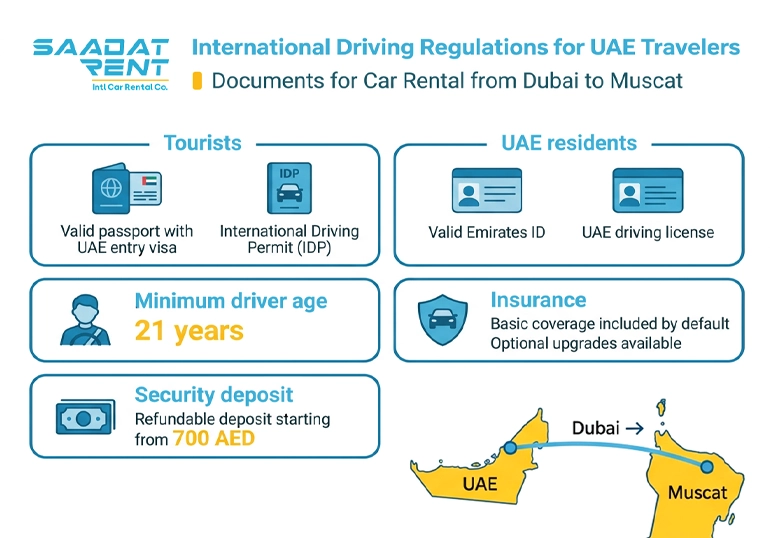
Documents required for cross-border driving
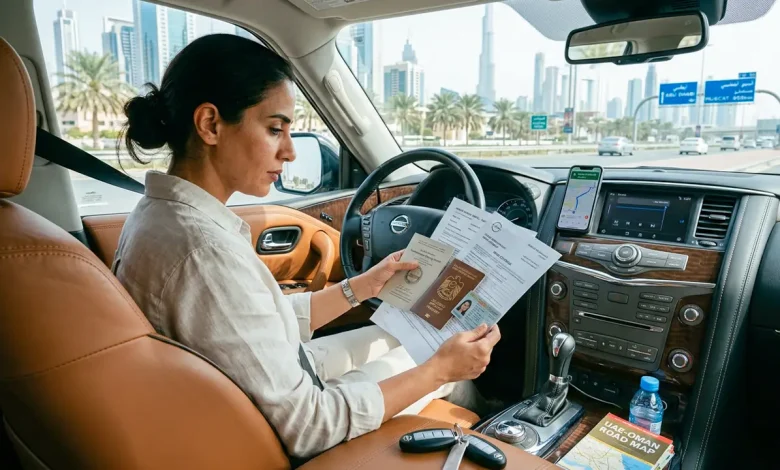
Before starting your journey, make sure you have all the required documents ready. Border officers in both the UAE and Oman may ask to see these documents during the crossing process. Following the correct border crossing rules helps avoid delays and ensures your road trip goes smoothly.
Some of the key documents required for cross-border driving include:
- Passport and visa requirements: Your passport must be valid, and travelers should check whether their nationality requires an Oman visa before arrival.
- UAE driving license or international driving permit: Drivers must carry a valid license. In some cases, an international permit may also be required, depending on residency status.
- Vehicle registration documents: The car registration card (Mulkiya) must be available and valid. If the vehicle is rented, permission from the rental company may also be necessary.
Drivers should also confirm that their vehicle meets car insurance requirements for entering Oman, as local UAE insurance policies may not always cover cross-border travel.
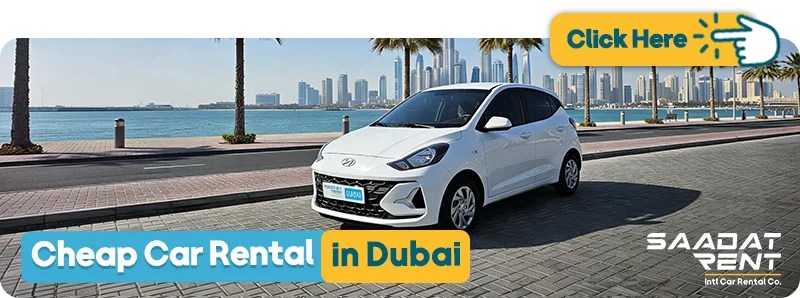
Driving license rules for tourists and residents
The driving license rules depend on whether the driver is a UAE resident or a tourist. Understanding these details is important because they fall under both international driving regulations and the broader UAE Muscat driving laws.
- When an international driving permit is required: Tourists visiting the UAE may need an international driving permit, depending on the country where their license was issued. Some national licenses are accepted directly, while others require an IDP.
- Valid licenses accepted in Oman: UAE residents can normally drive in Oman using a valid UAE driving license, provided the vehicle and insurance meet the required conditions under Oman driving regulations.
It is always a good idea to check these requirements before the trip. Having the correct documents and licenses ensures you follow the necessary cross-border driving laws and helps make the journey from Dubai to Muscat smooth and stress-free.
If you are planning to drive across the border, choosing a suitable Rent a Car Dubai to Oman service is essential to ensure you have the required documents, insurance coverage, and approval for your trip.
Border Crossing Rules Between the UAE and Muscat
When planning to drive between the UAE and Oman, understanding the border crossing rules is essential. The trip from Dubai to Muscat is straightforward, but drivers still need to follow the correct driving rules Dubai Oman route. Since this is an international road trip, travelers must also follow certain cross-border driving laws and make sure their documents and vehicle details meet the required regulations before reaching the border.
Main border checkpoints for Dubai to Muscat travel
There are several border crossings between the UAE and Oman, but some routes are more commonly used for road trips from Dubai to Muscat.
- Hatta – Al Wajajah border crossing: This is the most popular route for travelers driving from Dubai to Muscat. The roads are well-maintained, and the route is relatively direct, making it the preferred choice for most drivers.
- Other UAE–Oman border crossings: While Hatta is the most common, there are also other crossings such as Khatmat Malaha near Fujairah and Mezyad near Al Ain. These crossings may be used depending on the driver’s route or destination in Oman.
Choosing the right border crossing can make the journey smoother, especially if you are following the correct international driving regulations and preparing your documents in advance. This is particularly helpful for travelers using a Monthly car rental in Dubai for longer stays or extended road trips between the UAE and Oman.
Can You Legally Cross the UAE–Oman Border?
Answer 3 quick conditions to see if your trip from Dubai to Muscat is allowed.
Most rental cars require company authorization + Oman insurance before crossing.
Border procedures and entry requirements
Once you reach the border, there are a few steps that drivers must complete before entering Oman. These procedures are part of the official border crossing rules and are designed to ensure that vehicles and travelers meet the required regulations.
- Immigration process: Travelers must present their passports and complete the exit process from the UAE before entering Oman. Visa requirements depend on nationality, so it is important to check this before traveling.
- Vehicle inspection: Border officials may check vehicle documents, registration details, and insurance coverage. Your vehicle must meet the necessary car insurance requirements for Oman before crossing the border.
- Border crossing fees: In most cases, travelers may need to pay small administrative fees during the exit and entry process. These fees can vary depending on the crossing and the traveler’s visa status.
Following these procedures helps ensure that your trip follows the correct cross-border driving laws and respects the official driving rules required for travelers heading from Dubai to Muscat.
Car Insurance Requirements for Driving in Oman
If you are planning to drive from the UAE to Oman, one of the most important things to check before the trip is insurance coverage. According to Muscat driving regulations, every vehicle entering Oman must have valid insurance that covers driving inside the country. This rule applies to both private vehicles and rental cars. Since this is an international road trip, drivers must also follow certain international driving regulations and cross-border driving laws that apply between the UAE and Oman.
Omani insurance coverage for foreign vehicles
When you cross the UAE–Oman border with a vehicle registered in another country, the car must have insurance that is valid in Oman. This requirement is part of the official car insurance requirements and border crossing rules.
Why is Oman insurance mandatory?
Oman requires all vehicles on its roads to have valid insurance coverage. Without proper insurance, vehicles may not be allowed to enter the country. This rule exists to ensure that drivers are financially protected in case of accidents or damages while following local traffic laws and penalties.
How to obtain cross-border insurance?
Many drivers obtain Oman insurance directly at the border. In some cases, UAE insurance policies already include Oman coverage, but this depends on the provider. If the insurance does not cover Oman, drivers can usually purchase temporary cross-border insurance at the border checkpoint before entering the country.
Rental car rules for driving to Muscat
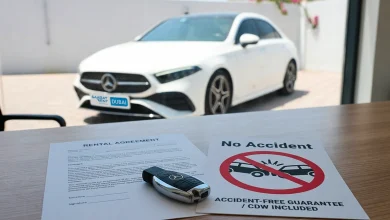
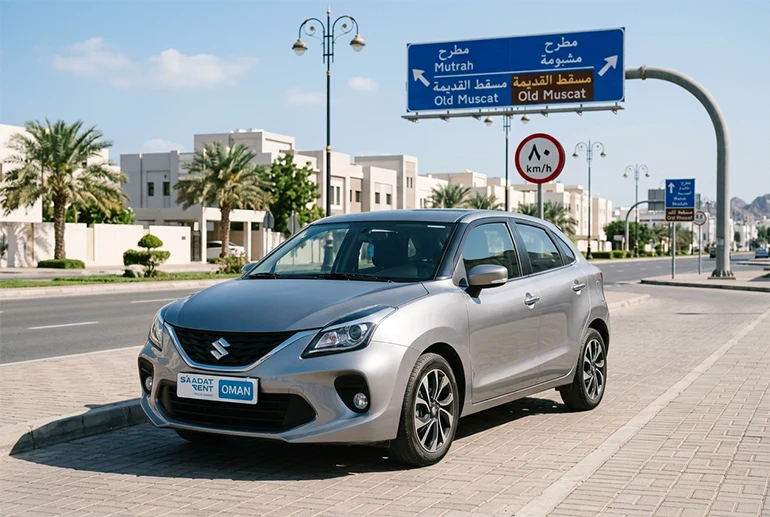
If you are using a rental car for the trip, there are a few additional rules to keep in mind. Rental vehicles must follow specific cross-border driving laws, and drivers need permission from the rental company before leaving the UAE.
- Permission from the rental companies
Most rental companies require travelers to request approval before taking a vehicle into Oman. This approval confirms that the vehicle is allowed to cross the border and that it meets the necessary car insurance requirements for Oman.
- Additional insurance requirements
Rental companies may also add Oman insurance coverage to the rental agreement. This additional coverage ensures the vehicle complies with Muscat driving regulations and allows drivers to legally travel between the UAE and Oman.
Checking these details before starting the trip helps ensure that your journey follows all international driving regulations and prevents delays at the border.
Traffic Laws and Penalties in Muscat
Before starting a road trip from Dubai to Muscat, it is important to understand the local traffic rules in Oman. While many rules are similar to those in the UAE, there are still some differences that drivers should know in advance. Following Muscat driving regulations helps you avoid fines, ensures safer driving, and keeps your trip smooth after crossing the border. These rules are also part of the broader international driving regulations and cross-border driving laws that apply when traveling between the UAE and Oman.
Speed limits in Muscat
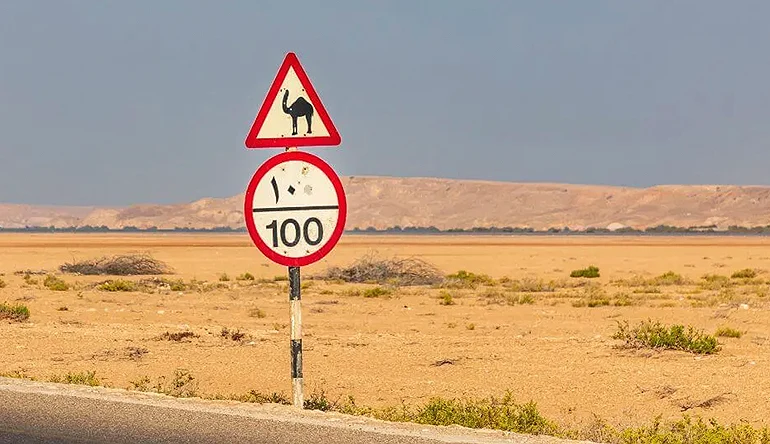
Speed limits in Oman are clearly marked on roads and are strictly monitored by traffic cameras. Drivers traveling under Muscat driving regulations should always watch the posted speed signs because limits may change depending on the type of road.
- City roads
In most cities, such as Muscat, speed limits usually range between 40 km/h and 60 km/h depending on the area. Busy districts and residential zones may have lower limits to improve safety.
- Highways
On major highways connecting cities, the typical speed limit is 100 km/h to 120 km/h. Some roads may allow slightly higher speeds, but drivers should always follow posted signs to avoid penalties.
- Mountain and rural roads
Mountain roads, especially routes near Hatta or in northern Oman, often have lower limits between 60 km/h and 80 km/h. These roads can be winding and require careful driving.
Common driving violations and penalties
Oman enforces traffic laws quite strictly, and penalties are issued for common violations. Understanding these traffic laws and penalties is important for anyone driving under Muscat's driving regulations.
- Speeding fines
Speeding is one of the most common violations. Fines usually start from around 10 OMR to 35 OMR (approximately 25 to 90 USD), depending on how much the speed limit is exceeded.
- Seatbelt rules
Seatbelts are mandatory for both drivers and passengers. Failing to wear a seatbelt can lead to fines, and drivers are responsible for ensuring passengers follow the rule.
- Mobile phone usage while driving
Using a mobile phone while driving without a hands-free system is not allowed. This violation can result in a fine and may also add points to your driving record.
Following these basic rules helps drivers stay compliant with Muscat driving regulations and enjoy a safer trip after crossing the border. Understanding local traffic laws and penalties before the journey also prevents unnecessary fines during your Dubai to Muscat road trip.
Cross-Border Driving Laws Tourists Should Know
If you are driving from Dubai to Muscat for the first time, it helps to understand a few practical rules before starting the trip. Even though the UAE and Oman have similar driving systems, there are still small differences that travelers should know. Being aware of these cross-border driving laws and basic international driving regulations will make the journey much easier and help you avoid unnecessary problems after the border crossing.
| Topic | What You Should Know |
| Road signs and driving etiquette in Oman | Road signs in Oman are written in Arabic and English, similar to the UAE. However, drivers often follow a slightly calmer driving style compared to busy cities like Dubai. On highways, drivers usually stay in their lane, and overtaking is done from the left side. Respecting local driving etiquette is part of following international driving regulations and helps make cross-border travel smoother. |
| Differences between UAE and Oman traffic rules | Many rules are similar, but there are a few differences. Speed limits may vary slightly depending on the region, and Oman strictly enforces traffic laws and penalties with highway cameras. In some rural or mountain roads, speed limits are lower than in the UAE. Drivers should always watch for road signs after crossing the border to stay compliant with cross-border driving laws. |
| Emergency numbers and roadside assistance | In Oman, the main emergency number for police and traffic accidents is 9999. It is a good idea to save this number before starting your trip. Many insurance providers and rental companies also offer roadside assistance, which may be included depending on the car insurance requirements in your policy. Having these details ready can help in case of unexpected situations during the trip. |
Understanding these basic rules helps travelers follow the correct border crossing rules, avoid fines related to traffic laws and penalties, and enjoy a safer drive from Dubai to Muscat.
Tips for a Safe Road Trip from Dubai to Muscat
Driving from Dubai to Muscat is a popular road trip, and the route is generally smooth and well-maintained. Still, a little preparation before the trip can make a big difference. Since you are traveling between two countries, it is important to be aware of the UAE and Oman driving laws, basic international driving regulations, and the practical steps that make cross-border travel easier.
Planning fuel stops
Fuel stations are available along most major highways between Dubai and Muscat, but it is still smart to plan where you will stop. Some mountain or rural areas have fewer stations, so filling the tank before leaving the UAE and again after crossing the border is a good idea. This simple step helps avoid unnecessary stress during the trip and ensures you stay prepared while following cross-border driving laws and the long-distance route conditions.
Checking vehicle condition before the trip
Before starting the journey, always check the basic condition of the car. Make sure the tires, brakes, lights, and engine oil are all in good shape. If you are using a rental car, confirm that the vehicle is approved for travel under UAE Oman driving laws and that all car insurance requirements for Oman are included. Rental companies often provide border permission documents, which are part of the official border crossing rules.
Navigation and road safety tips
Using a reliable navigation app like Google Maps or Waze helps you track the best route and avoid unnecessary detours. The Hatta–Al Wajajah border route is one of the most common ways to travel between Dubai and Muscat. While driving, always follow speed limits and local traffic laws and penalties, especially after entering Oman, where road cameras are widely used.
Keeping a charged phone, water, and basic travel documents in the car also helps make the journey smoother. Following these simple steps and understanding the UAE Oman driving laws will make your road trip safer, easier, and much more enjoyable.
For a long road trip like Dubai to Muscat, an SUV such as a Toyota Fortuner rental in Dubai offers extra comfort, luggage space, and better performance for extended highway driving.
Final Travel Advice for Driving from Dubai to Muscat
Driving from Dubai to Muscat is one of the most enjoyable road trips in the region, but preparation is what makes the journey smooth. Understanding the UAE Muscat driving laws before you start the trip helps avoid delays at the border and prevents unnecessary issues during the drive.
First, make sure all your documents are ready. Your passport, driving license, vehicle registration, and any required paperwork should be easily accessible. These documents are part of the basic border crossing rules and are checked at the UAE-Omani border.
Insurance is another important point. Before leaving Dubai, confirm that your vehicle meets the required car insurance requirements for Oman. Some UAE insurance policies include Oman coverage, but if not, you may need to purchase temporary insurance at the border before entering the country.
During the trip, follow the posted speed limits and road signs carefully. Oman enforces its traffic laws and penalties through highway cameras and traffic patrols, so staying within speed limits is important for a stress-free journey.
Finally, remember that this is an international road trip, so respecting international driving regulations and cross-border driving laws will make everything easier, from border entry to driving safely on Omani roads, especially after completing the necessary Dubai visa requirements before your trip.
With the right preparation, clear documents, and awareness of UAE Muscat driving laws, the drive from Dubai to Muscat can be a comfortable, scenic, and memorable travel experience.
FAQs About Driving from Dubai to Muscat
Yes. Your vehicle must have insurance that is valid in Oman. Some UAE policies include Oman coverage, but if not, you can usually purchase temporary Oman insurance at the border to comply with UAE Muscat driving laws.
The most common and convenient route is the Hatta – Al Wajajah border crossing, which connects directly to the main highway toward Muscat and is widely used by travelers.
Yes, but only with permission from the rental company. Most companies require advance approval and may add extra insurance coverage to meet cross-border driving laws.
You typically need your passport, a valid visa (if required), a driving license or international permit, vehicle registration, and Oman insurance to follow the official border crossing rules when entering Oman.