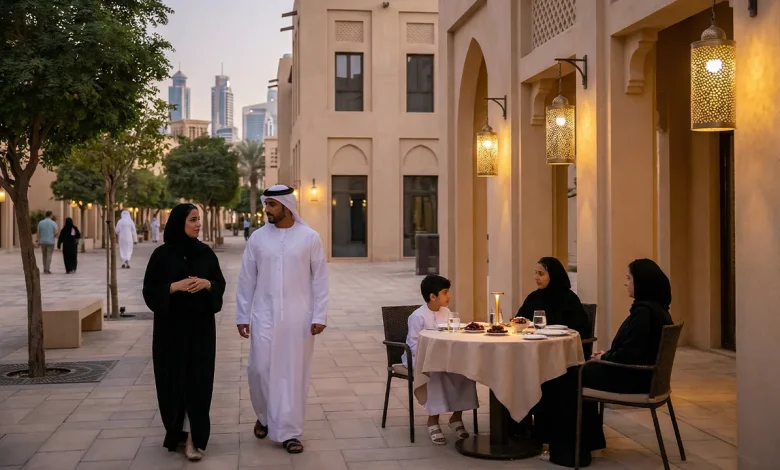
- When Is Ramadan in Dubai in 2027?
- What Changes for Visitors During Ramadan?
- Is It a Good Time to Visit Dubai During Ramadan?
- Visitor Etiquette: Eating, Drinking, Smoking and Dress
- Are Restaurants Open During Ramadan in Dubai?
- Things to Do in Dubai During Ramadan
- Getting Around Dubai During Ramadan
- Alcohol and Nightlife During Ramadan
- Best Time of Day for Sightseeing During Ramadan
- Conclusion
- FAQs About Visiting Dubai During Ramadan
Planning to visit Dubai during Ramadan? Yes, you can, and the city remains open. Restaurants, malls, attractions, public transport, and nightlife continue to operate, but hours and daily routines change, especially around Iftar.
Ramadan 2027 is expected to begin around 8 February, with the exact dates subject to UAE moon-sighting confirmation. During the month, visitors should expect quieter daytime hours, busy roads before Iftar, and lively evenings filled with dining, shopping, and cultural experiences.
This guide explains Ramadan rules in Dubai, restaurant and alcohol policies, parking and driving changes, what to do, what to wear, and the best times to explore the city during Ramadan.
When Is Ramadan in Dubai in 2027?
Based on current astronomical expectations, Ramadan in Dubai and the wider UAE is expected to begin around Monday, February 8, 2027. However, this date remains subject to official confirmation following the UAE moon-sighting process.
The UAE does not rely solely on calendar calculations to officially confirm the beginning of Ramadan. The final announcement is made through the country’s official moon-sighting process.
When Is Eid Al Fitr 2027 in Dubai?
Eid Al Fitr is also expected to fall in March 2027, depending on whether Ramadan lasts 29 or 30 days. Its final date will likewise depend on the official sighting of the Shawwal crescent moon.
For travel planning, February 8 can currently be used as an expected starting point, but travelers should not treat it as a confirmed date.
Official Update Reminder
Before traveling, check official UAE announcements for the confirmed start of Ramadan and Eid Al Fitr.
The dates mentioned in this article are intended for early travel planning only and may change following the official moon sighting.
What Changes for Visitors During Ramadan?
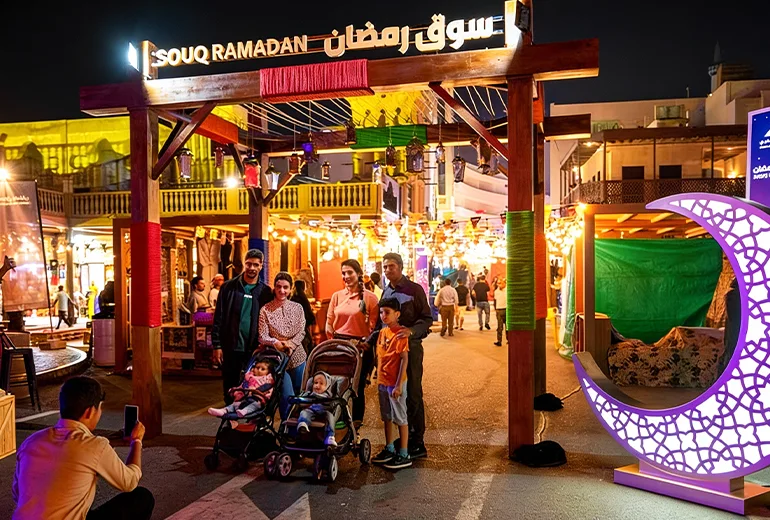
When it comes to Dubai Ramadan, many visitors assume that everything in the city stops. In reality, the daily rhythm changes more than access to services.
Restaurants, tourist attractions, shopping malls, and transportation services continue to operate, but some businesses may adjust their opening hours. Public spaces can feel calmer during the day and become more active after sunset.
Is It a Good Time to Visit Dubai During Ramadan?
Visiting Dubai during Ramadan can be a good choice for travelers who want to experience a different side of the city.
One of the main advantages is the cultural atmosphere. Ramadan brings more focus to Iftar, Suhoor, family gatherings, traditional food, and evening activities. Visitors can experience a side of Dubai that may feel different from the city’s usual daytime routine.
Evenings can be especially enjoyable. After Iftar, restaurants, shopping destinations, waterfront areas, and entertainment venues may become more active.
Things to Keep in Mind
However, there are some factors you may not like about travelling to Dubai during Ramadan:
- Some restaurants and attractions may have adjusted opening hours.
- Traffic can become heavier in the hours before Iftar.
- Public transport schedules may change during Ramadan.
- Popular restaurants and Iftar venues can become busy in the evening.
- Some daytime activities may feel quieter than usual.
- You may need to plan sightseeing around Iftar and changing venue hours.
Visitor Etiquette: Eating, Drinking, Smoking and Dress

Visitors do not need to be intimidated by Ramadan rules Dubai, but it is important to understand the difference between legal requirements, cultural etiquette, and venue policies.
Do
- Respect people who are fasting.
- Choose appropriate places for eating and drinking during the day.
- Follow restaurant, hotel, mall, and attraction policies.
- Dress respectfully in public places.
- Check venue-specific rules before visiting.
- Be mindful of the quieter and more reflective atmosphere during daylight hours.
Don’t
- Assume that every venue follows the same Ramadan policy.
- Treat cultural etiquette as identical to legal restrictions.
- Assume that all restaurants close during the day.
- Ignore venue rules regarding dining, smoking, or appropriate behaviour.
- Wear clothing that may be considered inappropriate for a public location.
Note 1:Non-Muslim visitors are not required to fast. However, being considerate when eating or drinking around people who are fasting is generally regarded as respectful.
Note 2: For clothing, modest dress is generally a good choice in public places. At beaches, hotel pools, and resorts, normal beachwear is generally appropriate within those settings.
Are Restaurants Open During Ramadan in Dubai?
Yes, restaurants open during Ramadan are widely available in Dubai, but the experience can vary between venues.
Many restaurants and cafés continue to operate, although their daytime service and opening hours may differ. Some restaurants may focus more heavily on evening dining, while others continue to offer daytime service.
Shopping malls, hotels, and tourist areas can provide a range of dining options, but visitors should always check the current opening hours of a specific restaurant before going.
Iftar in Dubai During Ramadan
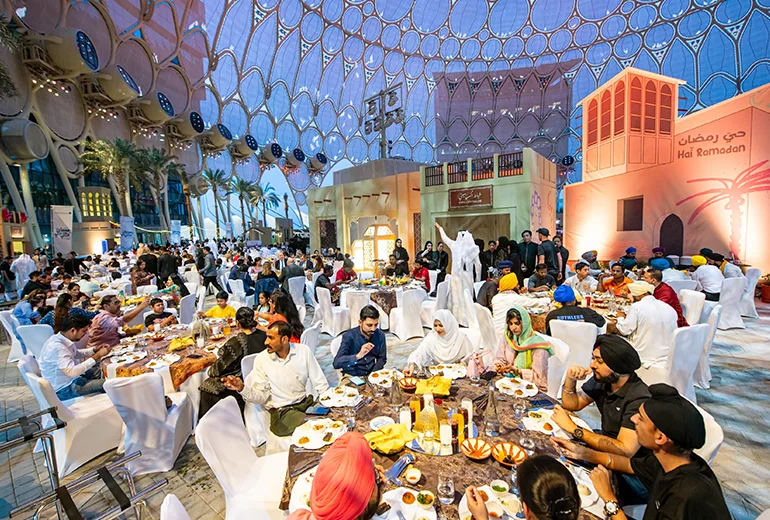
Iftar is one of the most popular dining experiences during Ramadan. Restaurants can become busy around sunset, and many venues offer special Iftar menus or experiences.
If you plan to have Iftar at a particular restaurant, making a reservation in advance is a good idea.
Things to Do in Dubai During Ramadan
There are still plenty of things to do in Dubai during Ramadan.
Popular activities can include:
- Enjoying an Iftar experience.
- Visiting museums and cultural attractions.
- Exploring shopping malls and traditional markets.
- Taking evening walks along waterfront areas.
- Visiting cultural programmes announced for the Ramadan season.
- Exploring attractions after Iftar.
- Enjoying late-night dining and cafés.
Things to Do After Iftar
After Iftar, Dubai becomes more active again. Visitors can enjoy evening dining, cafés, shopping destinations, waterfront walks, and attractions that remain open later.
Some mosques and religious sites may welcome visitors under specific visitor rules and schedules. Travelers on a budget can also explore free things to do in Dubai.
Any specific Ramadan events for 2027 should only be added after official announcements, as event schedules and cultural programmes can change each year.
Dubai Marina at Night
Dubai Marina at night can be an enjoyable option during Ramadan.
After Iftar, visitors can walk along the waterfront, enjoy restaurants and cafés, or simply experience the atmosphere around the Marina.
The area can be particularly suitable for evening walks and dining, although individual restaurants and venues may have different Ramadan operating hours.
Getting Around Dubai During Ramadan
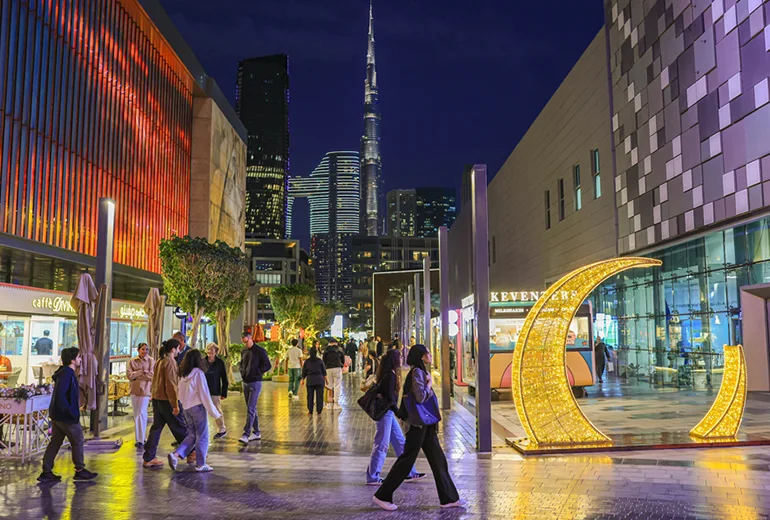
Getting around Dubai during Ramadan is generally straightforward, but traffic, public transport schedules, and parking hours can change.
Traffic Before Iftar
Traffic can become heavier before Iftar as people travel home or to restaurants and gathering places. If you have a reservation or timed activity, allow extra time and avoid scheduling important journeys too close to Iftar when possible.
Dubai Public Transport
Dubai public transport, including metro, buses, and trams, continues to operate during Ramadan, but RTA may adjust its schedules. Check the latest RTA announcements and official transport tools before travelling.
Taxis and Ride-Hailing
Taxis and ride-hailing services remain available, but demand and waiting times can increase around Iftar. Allow extra time if you have a reservation or scheduled activity.
Driving During Ramadan
If you are driving, plan around heavy pre-Iftar traffic and allow extra time for your journey. Visitors should also review the latest driving rules in Dubai before renting a car.
Ramadan Parking Timings Dubai
The Dubai Ramadan parking timings for 2027 have not yet been announced by the RTA.
Paid parking hours may change during Ramadan, so do not rely on previous years’ schedules. Check the latest RTA information and local parking signs when you arrive.
Rental Cars
A rental car can give visitors more flexibility when travelling between different areas, attending Iftar reservations, or exploring Dubai in the evening. Travelers interested in this option can explore self-drive car rental in Dubai.
Alcohol and Nightlife During Ramadan
Another common question is: can you drink alcohol in Dubai during Ramadan?
Some licensed venues may continue serving alcohol, but availability and operating hours vary by venue. Check directly with your hotel, restaurant, bar, or entertainment venue before visiting, as Ramadan schedules may differ from normal hours.
Best Time of Day for Sightseeing During Ramadan
The best time for sightseeing in Dubai during Ramadan depends on the weather, your activities, and how close you are to Iftar.
Mornings are generally better for outdoor activities, while evenings offer more opportunities for dining, shopping, and cultural experiences.
| Time | Best For | What to Consider |
| Morning | Outdoor attractions, parks, museums | Generally more comfortable for outdoor activities |
| Afternoon | Malls, museums, indoor attractions | Keep plans flexible as Iftar approaches |
| Around Iftar | Staying near your destination | Traffic can become heavier |
| Evening | Dining, Dubai Marina, shopping, cultural activities | The city becomes more active after Iftar |
| Late night | Cafés, shopping, entertainment | Check venue and public transport hours |
Conclusion
Traveling to Dubai during Ramadan can be an enjoyable experience for visitors who understand the city’s different daily rhythm.
The city remains open to tourists, with restaurants, attractions, shopping, transportation, and evening activities continuing throughout the month. The main difference is that visitors may need to plan around adjusted hours, Iftar, and potentially changing transport or parking schedules.
Because the official dates of Ramadan and Eid Al Fitr 2027, along with many seasonal operating schedules, have not yet been confirmed, travelers should always verify current information closer to their trip.
FAQs About Visiting Dubai During Ramadan
Are restaurants open during Ramadan in Dubai?
Yes. Restaurants and cafés remain available during Ramadan, although opening hours and service arrangements can vary between venues. Check the specific restaurant before visiting.
Can tourists eat during Ramadan in Dubai?
Yes. Non-Muslim visitors are not required to fast. Dining options remain available, and visitors can choose restaurants, hotels, malls, and other appropriate dining spaces while remaining considerate of people who are fasting.
Can visitors drink alcohol during Ramadan?
Alcohol availability depends on licensed venues and their individual policies. Some venues may continue to provide alcohol service, but conditions and operating hours can vary. Check directly with the venue before visiting.
Is Dubai quieter during Ramadan?
Dubai can feel calmer during parts of the day, while evenings often become more active after Iftar. The experience depends on the area and time of day.
What should tourists wear during Ramadan?
Modest and respectful clothing is a good choice in public spaces. Normal beachwear is generally appropriate at beaches, hotel pools, and resorts within those settings.
When is Ramadan in Dubai in 2027?
Ramadan in Dubai is currently expected to begin around February 8, 2027, but this date is subject to official UAE moon-sighting confirmation.
Are malls open late during Ramadan?
Many malls and shopping destinations remain active during the evening, but exact Ramadan operating hours can vary. Check the official schedule of the mall you plan to visit closer to your travel date.
What are Dubai Ramadan parking timings?
The official Ramadan parking timings for Dubai in 2027 have not yet been announced. Travelers should check the latest RTA information and local parking signage before parking.