- What Are the Main Driving Rules in Dubai?
- Can Tourists Drive in Dubai?
- Understanding Dubai Roads and Highway Exits
- Fast-Lane and Lane-Discipline Rules in Dubai
- Speed Limits and Camera Enforcement in Dubai
- Traffic Lights, U-Turns and Right Turns on Red
- Roundabout Driving Rules in Dubai
- Seatbelt, Child Seat and Passenger Rules in Dubai
- Using a Phone and Navigation While Driving
- Salik Rules for Rental Cars
- Parking Rules for Tourists in Dubai
- What to Do After an Accident in Dubai
- Driving from Dubai to Other Emirates
- Pick Your Dubai Car
- Common Driving Mistakes Tourists Should Avoid
- Is Driving in Dubai Difficult for Tourists?
- Saadatrent’s Practical Advice for First-Time Drivers
- Frequently Asked Questions about Driving Rules in Dubai
Driving rules in Dubai follow a right-hand traffic system, and visitors need a valid foreign driving licence and, in some cases, an International Driving Permit (IDP). Under the UAE Federal Traffic Law, Dubai uses advanced speed camera systems and digital traffic monitoring. This Dubai driving guide helps you understand the roads and drive safely across the emirate.
Ready to drive around Dubai?
Choose a rental car that fits your trip and compare available cars, rental options and current rates before you hit Dubai’s roads.
Ready for Dubai Roads?
3 Questions • 30 Seconds
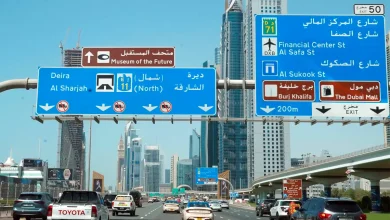
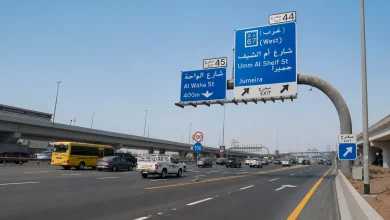
Understanding Dubai Roads and Highway Exits
If it's your first time driving in Dubai, you'll probably make the same mistakes I did, missing exits, staying in the wrong lane, or making last-minute lane changes. Fortunately, they're easy to avoid once you know how the road system works.
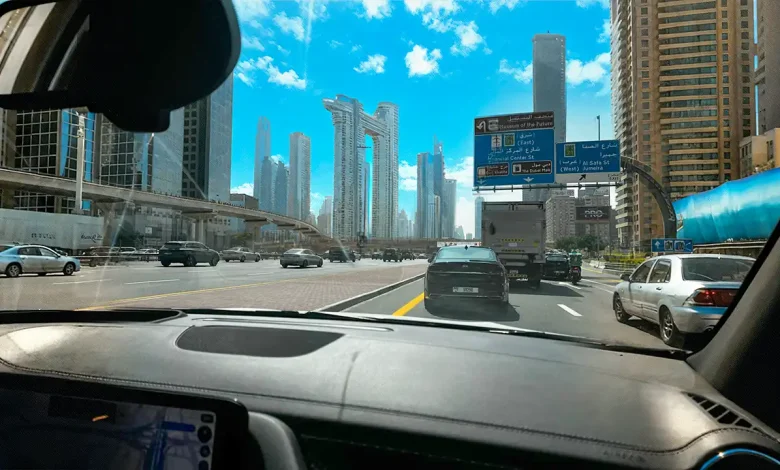
How Dubai’s Multilane Highways Work
Dubai's main highways can have up to 8 lanes in one direction.
- Left lanes: Faster-moving traffic.
- Middle lanes: Regular cruising traffic.
- Right lanes: Vehicles preparing to exit.
Move Toward Your Exit Early
- Start moving to the right 3–4 km before your exit on busy highways.
- Avoid crossing several lanes at the last moment.
If You Miss an Exit
- Don't brake suddenly or reverse.
- Stay in your lane and let your GPS find the next exit or U-turn.
- Missing an exit usually adds only a few minutes to your trip.
Follow Exit Numbers
- Pay attention to exit numbers on overhead signs.
- Exit numbers are easier to follow than reading destination names while driving.
Main Highways Tourists Use
- Sheikh Zayed Road (E11): Downtown Dubai, Dubai Marina, Abu Dhabi.
- Sheikh Mohammed bin Zayed Road (E311): Avoids city centre traffic.
- Emirates Road (E611): Best for long-distance travel.
- Al Khail Road (E44): Connects Business Bay and Dubai Hills.
Fast-Lane and Lane-Discipline Rules in Dubai
Dubai lane discipline rules dictate that the far-left lane functions strictly as an overtaking lane.
If a faster vehicle is coming from behind, let it pass and avoid blocking the lane. Always use your indicator before changing lanes, and never cross solid white lines, especially near exits and junctions.
Is the Left Lane Only for Overtaking?
Yes, under Dubai fast-lane rules, the far left lane is reserved for high-speed overtaking. Even if you are travelling at the maximum posted speed limit, staying in the left lane when the road ahead is clear is against traffic rules. Once you complete your manoeuvre, transition smoothly back into the adjacent right lane.
What to Do if a Driver Flashes Headlights
Do not slam on your brakes or resist. Check your mirrors, indicate clearly, and move safely into the right lane as soon as space opens up.
Can You Overtake on the Right?
Official overtaking rules Dubai require passing vehicles on their left. Passing on the right is restricted to distinct multi-lane traffic flows where traffic streams move independently.
How to Change Lanes Safely Near Exits
When approaching major junctions, follow safe lane discipline procedures:
- Check your rear-view and side mirrors early.
- Signal your direction at least 100 metres before moving.
- Glance over your shoulder to verify blind spots.
- Move across only one lane at a time.
- Avoid crossing solid white lines dividing exit ramps.
Common Lane Mistakes Tourists Make
- Staying too long in the fast lane instead of keeping traffic flowing.
- Making sudden multi-lane changes near exits.
- Forgetting to use turn signals before changing lanes.
- Staying alert helps prevent unsafe situations and keeps traffic moving smoothly.
Speed Limits and Camera Enforcement in Dubai
Dubai manages speed control through automated radar units and speed camera gantries placed across the emirate. Always follow the posted speed limits, which range from 25 km/h in residential areas to 120 km/h on major highways.
Typical Speed Limits by Road Type
There is no single speed limit for all roads in Dubai. Posted limits vary by road type and location, with major highways commonly allowing higher speeds than urban and residential roads. Always follow the speed shown on the road signs or displayed by the vehicle's navigation system, because speed cameras enforce the applicable limit.
| Road Type | Typical Speed Limit |
| Residential & Community Areas | 25 km/h – 40 km/h |
| Urban Single Carriageways | 60 km/h – 80 km/h |
| Major Urban Arterials | 80 km/h – 100 km/h |
| Major Highways (E11, E311) | 100 km/h – 120 km/h |
Does Dubai Have a 20 km/h Speed Buffer?
A common topic among visitors is the speed limit buffer Dubai. However, you should not use this as a guide for driving faster. Speed limits can change, and the safest option is always following the speed shown on road signs.
Drive strictly according to the posted speed limit.
Is the Rule the Same in Abu Dhabi?
No. When driving from Dubai to Abu Dhabi, note that Abu Dhabi removed its speed buffer entirely. The speed listed on road signs in Abu Dhabi is the exact point at which cameras trigger.
How to Spot Speed-Limit Changes
Speed thresholds drop quickly around highway off-ramps, construction work, and school zones. Monitor overhead gantry signs continually rather than relying purely on mobile application displays, which may lag during road upgrades.
Why You Should Not Follow the Speed of Other Cars
Locals may drive at the maximum allowable threshold because they know exact camera positions. Following tailgating vehicles often leads to unexpected automated tickets. Maintain your own safe speed.
For details on how enforcement logs work, read our comprehensive UAE Traffic Fines Guide.
Traffic Lights, U-Turns and Right Turns on Red

Traffic signals in Dubai govern movement strictly. Turning right on red is prohibited unless a dedicated slip lane or specific sign permits it. U-turns are permitted only at designated intersections with clear lane markings.
Can You Turn Right on Red in Dubai?
If you are wondering can you turn right on red in Dubai, the standard rule is no.
| Traffic Signal | What You Should Do |
| Solid Red Light | MUST STOP (No Right Turn Allowed) |
| Dedicated Slip Lane | Yield to traffic and proceed when clear |
| Green Arrow Signal | Proceed safely in the arrow direction |
When Is a U-Turn Allowed?
You can only make a U-turn at intersections with U-turn signs or dedicated left/U-turn lanes. Never make a U-turn over solid lines, through road barriers, or from a middle lane.
How Green Arrows Work
A green arrow means you have the right of way to turn while other traffic stops.
What to Do at a Flashing Signal
A flashing amber light means you should slow down, give way to pedestrians, and drive with extra caution.
Roundabout Driving Rules in Dubai
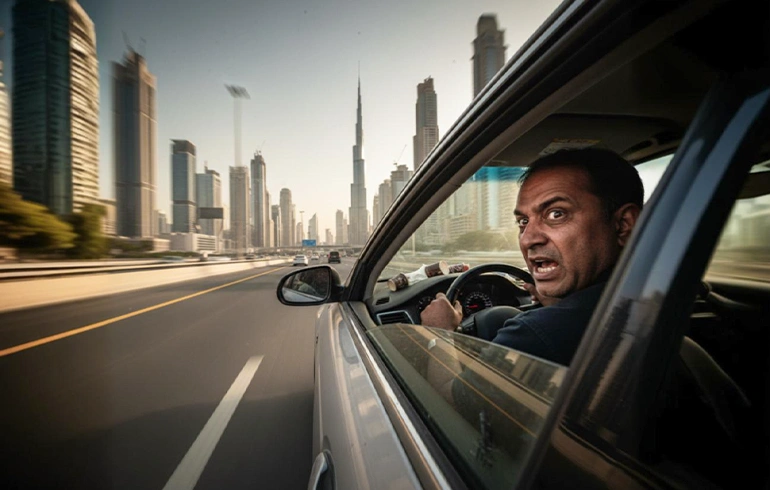
Standard Dubai roundabout rules and roundabout priority dictate that vehicles already inside a roundabout have the right of way. Before entering, choose the correct lane for your exit, give way to traffic, and use your indicator when leaving.
Who Has Priority at Roundabouts in Dubai?
When approaching a roundabout in Dubai, give way to traffic that already has priority inside the roundabout, choose the correct lane before entering, and signal when exiting. Check the lane markings and signs because the correct lane can depend on which exit you intend to take.
Which Lane Should You Use?
Choose your lane before entering the roundabout based on your exit and the road signs. In general:
- The right lane is used for earlier exits
- The left lane is usually better for later exits or U-turns.
Always follow the lane markings at the specific roundabout.
When Should You Indicate?
Signal your intentions clearly: activate your left indicator when entering if you plan to take a left exit, and switch to your right indicator just as you pass the exit preceding your turnoff.
Common Tourist Mistakes at Roundabouts
- Changing lanes while inside the roundabout.
- Stopping unnecessarily within the roundabout.
- Failing to use indicators before exiting.
- Maintain your lane throughout the turn to keep traffic moving smoothly.
One small mistake can cost you a lot in Dubai
most tourists notice these fines too late.
Seatbelt, Child Seat and Passenger Rules in Dubai

Safety regulations mandate that every vehicle occupant wears a seatbelt at all times. Children under four years old require a dedicated child restraint seat, and youngsters under ten cannot sit in the front passenger seat.
- Do Rear Passengers Need Seatbelts? Yes. Official seatbelt rules Dubai enforce mandatory compliance for all individuals inside the car.
- When Is a Child Seat Required? Under child seat rules Dubai, infants and young children under four years old must be secured within an age-appropriate child safety seat. Rental agencies offer compatible child seats upon request.
- Can Children Sit in the Front Seat? Children must be at least 10 years old (or at least 145 cm tall) to ride in the front passenger seat.
- Is the Driver Responsible for Passengers? Under Dubai driving rules and regulations, the vehicle operator is legally responsible for ensuring that all onboard passengers comply with seatbelt and child safety requirements.
Is Wearing a Seat Belt Mandatory in Duba
Yes. Everyone in the vehicle must wear a seat belt, including passengers sitting in the rear seats. Seat-belt violations can result in a fine and black points, so passengers should buckle up before the vehicle moves.
Using a Phone and Navigation While Driving
Handheld mobile phone use while driving is prohibited in the UAE. You can use Navigational applications only when mounted in a fixed dashboard holder before driving.
Can You Use Your Phone While Driving in Dubai?
No. Using or holding a mobile phone while driving is prohibited in Dubai. Drivers should use a hands-free system or set their navigation before starting the journey. Dubai also uses automated monitoring systems to detect certain distracted-driving violations, so tourists should avoid handling their phone while the vehicle is moving.
Is Hands-Free Navigation Allowed?
Yes, but strict conditions apply to using a phone while driving in Dubai. Touching, holding, or texting on a phone at red lights or in moving traffic is prohibited.
I always place my smartphone in a secure dashboard mount and configure my destination before setting off.
Should You Use Google Maps or Waze in Dubai?
When evaluating Google Maps or Waze in Dubai, both applications offer excellent coverage:
- Google Maps: Exceptional for destination searching, lane guidance previews, and local landmark identification.
- Waze: Excellent for crowd-sourced hazards, live traffic alerts, and complex construction detour updates.
Neither app should replace your focus on physical road signs and overhead portal signals.
Where to Stop if You Need to Change the Route
If you must update your navigation settings, pull off the main highway safely into a gas station forecourt, public car park, or dedicated rest bay.
Stopping along active highway shoulders is illegal except during engine breakdowns or emergencies.
Salik Rules for Rental Cars
Salik is Dubai’s barrier-free toll system. It automatically charges vehicles using RFID tags on the windscreen, so there are no toll booths or stops.
How Salik Works
When passing beneath a Salik toll gate, overhead sensors scan the vehicle's tag automatically. Traffic continues moving at regular highway speeds without manual payment stops.
Does the Driver Need to Stop?
No. Salik for rental cars operates entirely electronically. Drivers do not slow down or stop when passing through toll zones.
How Rental Companies Calculate Salik
Toll crossings are logged against the car's registration. When you return your vehicle, the total toll fees are calculated from automated RTA records and settled via your rental agreement deposit.
Is Salik the Same as Abu Dhabi Darb?
No. Dubai Salik charges are different from Abu Dhabi, which operates its own electronic toll system called Darb. If you travel between emirates, confirm that your rental car carries proper registration for both networks.
Parking Rules for Tourists in Dubai
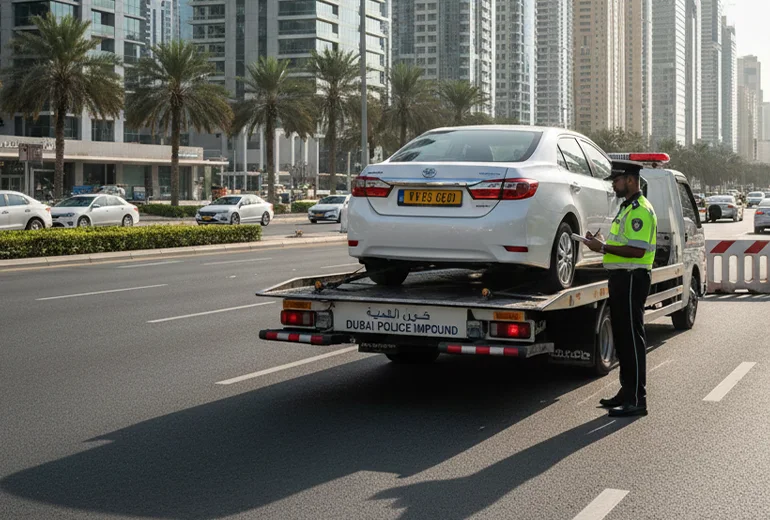
Paid parking in Dubai for tourists is divided into distinct codes and zones. Payment is made through SMS, official mobile applications, or roadside parking meters, with digital tickets linked to your vehicle plate.
How to Identify a Paid Parking Zone
Roadside parking areas feature orange signs outlining the zone code (e.g., Zone 312A), hourly rates, and applicable paid operational hours.
How Tourists Can Pay for Parking
Payment methods include:
- RTA Dubai Mobile App / WhatsApp Services
- Parking Meter Machines (accepting coins or contactless cards)
- Direct SMS (requires a local UAE SIM card)
Mall, Hotel and Residential Parking
Shopping centres generally provide free parking for an initial window (typically 3 to 4 hours on weekdays), after which hourly rates apply. Hotels offer valet services or guest validation, whereas residential zones require valid parking tickets 24/7.
What to Check Before Leaving the Car
Before walking away from your vehicle:
- Check the zone code on nearby signs.
- Confirm your digital payment receipt.
- Park within the marked white lines.
Can a Rental Car Be Towed?
Yes. Parking in disabled bays without a permit, blocking fire hydrants, or double-parking can result in your car being towed.
Learn more in our dedicated guide to Dubai parking rules.
What to Do After an Accident in Dubai
If you have an accident, check everyone’s safety, turn on hazard lights, and move the car only if it is safe and necessary. You need a police report for insurance claims.
Serious Accident vs Minor Accident
If there are injuries or serious damage, leave the vehicles where they are and call emergency services. For minor damage with no injuries, move the cars to a safe area to avoid blocking traffic.
When to Call 999
Knowing what to do after an accident in Dubai starts with assessing emergency needs. Dial emergency number 999 immediately if anyone is injured or if major vehicle damage blocks high-speed lanes.
How to Obtain a Police Report
A formal police report is required for repair processing under UAE law. For minor accidents, drivers can submit details directly using the Dubai Police App to generate a minor accident report within minutes, avoiding extended waits for patrol cars on scene.
When to Contact the Rental Company
Contact your vehicle provider's support desk as soon as safe to report the incident. They will walk you through insurance requirements and organize replacement transport if needed.
Can You Continue Driving the Rental Car?
Do not drive the vehicle if warning indicators illuminate on the dashboard, fluids leak beneath the engine, or structural panels drag on the road. Wait for roadside breakdown recovery.
Driving from Dubai to Other Emirates
Travelling between emirates is easy thanks to modern highways. Just remember that speed rules and toll systems may change when you enter a different emirate.
Can You Drive a Rental Car to Abu Dhabi?
Yes. Standard hire contracts permit driving across all UAE emirates. Ensure your daily mileage allowance accommodates long-distance travel when driving from Dubai to Abu Dhabi.
Speed-Enforcement Differences
Remember that Abu Dhabi enforces posted speed limits without grace margins. Adapt your driving speed as soon as you cross border signage along the E11 highway.
Can You Drive to Oman?
Driving from the UAE to Oman requires approval from your rental company, cross-border insurance, and the required customs documents.
If you plan to rent a car from Dubai to Oman, check the rental company’s cross-border policy in advance.
Pick Your Dubai Car
We'll predict your first fine 😅
Common Driving Mistakes Tourists Should Avoid
Most driving mistakes in Dubai happen because visitors are unfamiliar with the road system. Keeping these simple points in mind can help you avoid stress and drive more safely:
- Staying in the fast lane for too long.
- Changing lanes at the last moment before exits.
- Stopping near highway exits or on active roads.
- Assuming speed rules are the same in every emirate.
- Entering roundabouts from the wrong lane.
- Following other drivers’ speed instead of road signs.
- Confusing Dubai’s Salik with Abu Dhabi’s Darb system.
- Driving without checking licence requirements.
- Reversing or stopping after missing an exit.
- Relying only on navigation apps instead of road signs.
Is Driving in Dubai Difficult for Tourists?
Driving rules in Dubai are manageable for most experienced drivers. However, first-time visitors may need some time to get used to wide highways, fast exits, multiple lanes, and automated traffic systems.
| Easier Aspects | Challenging Aspects |
| Modern roads | Fast lane changes |
| Clear road signs | Short exit windows |
| Good navigation coverage | Complex junctions |
| Well-maintained highways | Automated traffic enforcement |
| Wide roads | Heavy traffic during peak hours |
Once you understand the basic rules and road layout, driving in Dubai becomes much easier.
Ready to Drive in Dubai?
Now that you know the rules, you can drive with confidence.
Explore safe and transparent car rental options in Dubai →Saadatrent’s Practical Advice for First-Time Drivers
Based on common questions received by our rental support team, first-time visitors need extra guidance with highway exits, lane changes, parking rules, and Salik charges.
Our main advice is simple:
- Check your route before starting the trip.
- Move to the correct lane early before exits.
- Follow road signs instead of only relying on GPS.
- Ask the rental team if you are unsure about Salik, parking, or documents.
If you are staying in Dubai for a longer period, options such as monthly car rental in Dubai can also be more practical than short-term rentals, especially for residents or extended visits.
Frequently Asked Questions about Driving Rules in Dubai
Can tourists drive in Dubai?
Yes. You can drive in Dubai with a valid passport, a foreign driving licence, and an International Driving Permit (IDP) if required.
Do tourists need an International Driving Permit?
It depends on your country of issue. Some licences are accepted directly, while others require an IDP.
Which side of the road does Dubai drive on?
Dubai follows a right-hand traffic system, so you drive on the right side of the road.
Is driving in Dubai difficult?
Driving in Dubai is generally easy, but highways, multiple lanes, and busy junctions may feel challenging at first.
What is the fast-lane rule?
The left lane is mainly for faster traffic. Keep right when possible and let faster vehicles pass.
Can you turn right on red?
No. You must stop at a red light unless a green arrow or specific sign allows the turn.
Does Dubai have a speed buffer?
No. You should follow the posted speed limits, as cameras enforce the official limits.
How does Salik work with a rental car?
Salik automatically records toll charges through the car’s tag. The rental company adds these charges to your final bill.